

House dust mite allergy
With a dust mite allergy, you mainly suffer from symptoms such as a stuffy nose, sneezing, coughing, and more at night in bed. This is because you inhale allergens. These allergens are produced by dust mites.
What is a dust mite allergy?
If you suffer from a dust mite allergy, you are hypersensitive to the droppings of the dust mite (in this case, the allergens).
The cause of house dust mite allergy
You experience symptoms from your dust mite allergy due to a hypersensitivity reaction of your body. Your body triggers this reaction when you come into contact with allergens. Dust mite droppings can end up on your skin, but also in your eyes or nose. Most dust mites are found in your bed, which is why you are more likely to experience symptoms at night.
Complaints and symptoms of house dust mite allergy
An allergy to house dust mites causes unpleasant symptoms. What makes it even more troublesome are the symptoms that often flare up at night, causing you to sleep poorly. Symptoms you may experience include:
- Runny nose
- Sneezing
- Coughing, sore throat
- Shortness of breath, wheezing in bed
- Stuffy nose
- Fatigue, poor night's sleep
- Skin rash
- Headache
- Red, itchy eyes
Read more about the symptoms of house dust mite allergy .
What to do about house dust mite allergy?
You will never be able to completely eliminate all dust mites from your home. However, much can be done to reduce the emission of allergens and dust mites. As a result, your symptoms will decrease.
To immediately reduce the release of allergens in bed, you can use anti-allergy bedding. Cara C'air anti-allergy covers prevent as much as 98% of allergens from being released. You will experience fewer symptoms in bed.
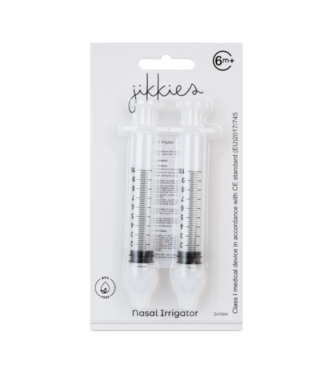
Did you happen to inhale dust mite allergens? Then you can rinse the allergens from your nasal mucosa with a nasal douche and nasal rinse saline, such as NasoFree . This allows you to easily rinse away the allergens and, for example, the mucus from your runny nose.
Do you want to prevent allergens from causing nasal discomfort? Then you can use RhinoBlock Allergy Blocker nasal ointment . This nasal ointment with pure honey and white petroleum jelly creates a protective layer that prevents allergens from coming into direct contact with your nasal mucosa.
Want to know more about respiratory allergies?
Dust mite allergy is a common form of respiratory allergy, but there are also other allergies that cause similar symptoms. Examples include allergies to pollen (hay fever) or animals.
Do you want to know more about the different types of respiratory allergies, symptoms, and what you can do about them? Then read on our page about respiratory allergies.