











A common cold is a viral infection of the nasal mucosa that usually clears up on its own within one to two weeks. The infection causes swelling of the mucous membrane and increased mucus production. This results in symptoms such as a stuffy nose, a runny nose, and sneezing.
On this page, you can read exactly what a cold is, what its course is usually like, and what forms of support are often used to alleviate symptoms.
What you need to know about the common cold
- A cold is a viral infection of the nasal mucosa.
- The symptoms usually subside within 7 to 10 days and can last up to 2 weeks.
- Common symptoms are a stuffy nose, runny nose, and sneezing.
- Antibiotics do not help with a common cold.
- Contact a doctor if you have a high fever, severe sinus pain, or symptoms that worsen.
What is a cold?
A common cold is usually caused by a so-called rhinovirus, but other viruses can also play a role. Due to the inflammatory response, the nasal mucosa swells and produces extra mucus. This results in a stuffy nose or, conversely, a runny nose.
Common complaints are:
- Stuffy nose
- Runny nose
- Sneezing
- Smells less well
- Sore throat or tickle in the throat
- Sometimes mild headache or a general feeling of being unwell
A cold often starts suddenly and reaches its peak within a few days.
What is the difference between a cold and the flu?
A cold and the flu are both caused by a virus, but the course and severity differ clearly.
A cold often starts gradually and primarily causes symptoms in the nose and throat, such as a stuffy nose, sneezing, and a runny nose. Sometimes you feel a bit flu-like, but usually you can continue with your daily activities.
The flu (influenza) usually starts suddenly and is often accompanied by a high fever, muscle pain, headache, and a severe feeling of being unwell. You feel significantly sicker than with a cold and have a greater need to stay in bed.
Are you unsure if your symptoms match the flu? Then pay particular attention to sudden high fever and severe muscle pain. This occurs less frequently with a common cold.
How long does a cold last?
Cold symptoms usually subside within about ten days. In some people, symptoms can persist for up to two weeks (Source: NHG standard). The course is often as follows:
- During the first few days, you often notice a tickle in your throat and have to sneeze.
- Afterwards, a stuffy or runny nose develops.
- Subsequently, gradual recovery occurs.
For most people, the symptoms improve step by step without further complications.
What can you do about cold symptoms?
Because a cold is caused by a virus, there is no remedy that stops the virus immediately. However, you can temporarily relieve the symptoms.
The type of support that suits you depends on what you are primarily experiencing. Do you mainly have a stuffy nose, a lot of mucus, or a burning and dry sensation? Then the approach will also differ.
For a cold, the following are often chosen:
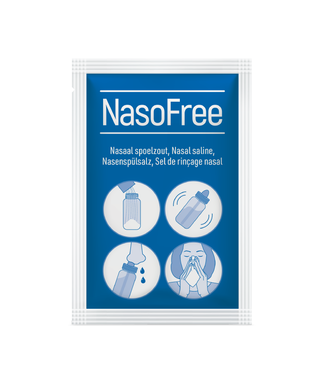
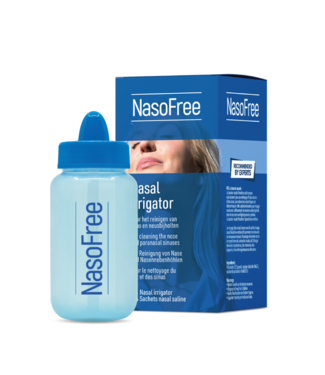
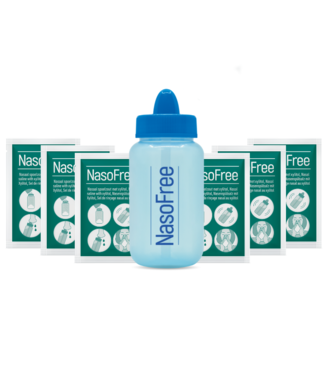
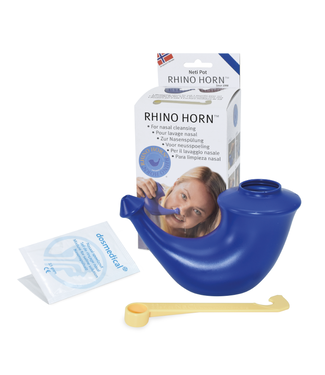
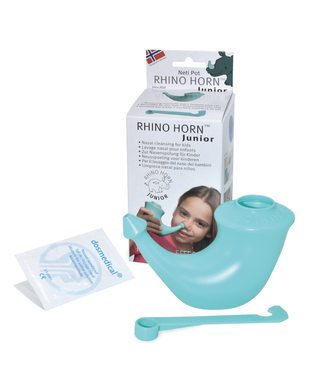
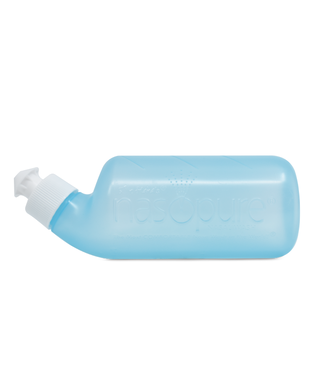
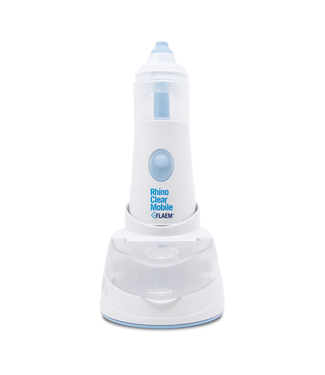
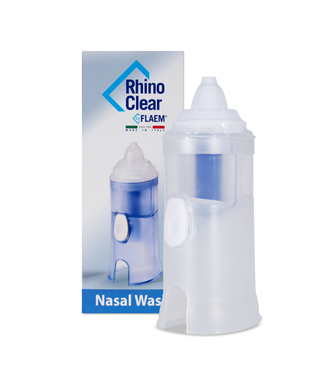
- Nasal rinsing with a nasal douche and nasal saline : this rinses mucus, crusts, and inhaled particles out of the nose. This is particularly suitable for excessive or stubborn mucus.
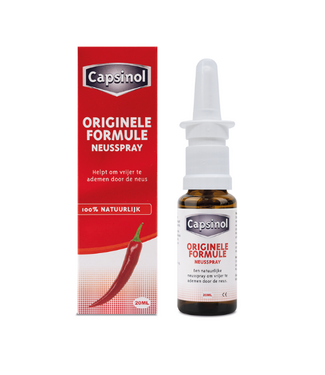
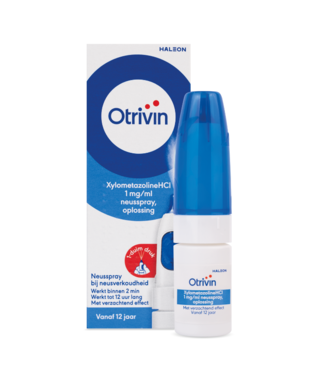
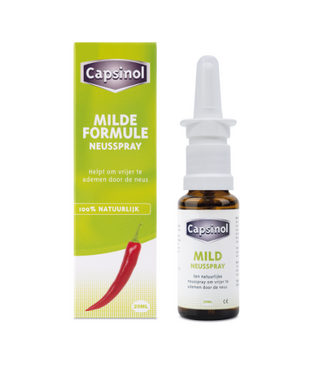
- A nasal spray . Which nasal spray you use depends on your specific cold symptoms: nasal sprays for the cold do not all work the same way.
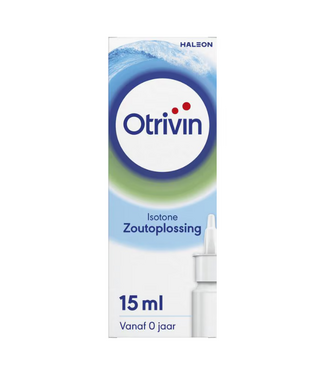
- An isotonic saline solution helps cleanse the nose and remove mucus, so your nose feels less stuffy.
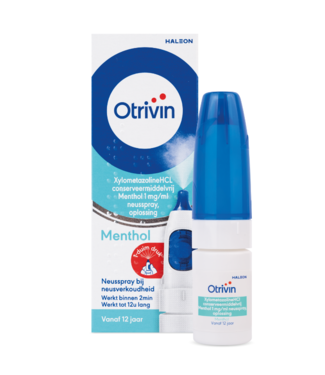
- A nasal spray containing xylometazoline temporarily reduces swelling of the nasal mucosa. This creates more space in your nose, allowing you to breathe more easily through your nose. There is also a variant with menthol for a fresh feeling.
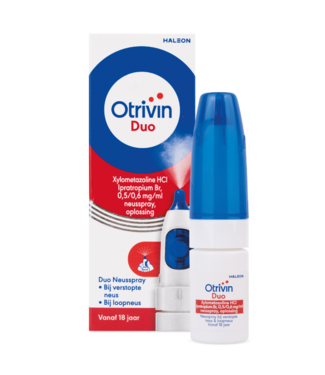
- Do you have a watery runny nose in addition to a stuffy nose? Then there is a variant with xylometazoline and ipratropium that reduces both symptoms.
- A nasal ointment for dry or irritated nasal mucosa: a nasal ointment hydrates and cares for the nasal mucosa. This can be pleasant for dryness, scabs, or sores in the nose.
You can find a complete overview of remedies for cold symptoms on the nasal products page.
When should you be extra alert?
A cold is usually harmless. Take symptoms more seriously if:
- The symptoms persist for longer than two weeks
- You get severe pain around the sinuses
- High fever develops
- You notice that the symptoms are clearly worsening instead of improving.
In those cases, there may be a complication, such as a sinus infection , and it is advisable to have the cause assessed further. This is especially true if the pain increases when bending over or pressing on the cheeks or forehead.
Frequently asked questions about the common cold
When are you contagious with a cold?
You are usually contagious from the moment the first symptoms begin, such as a tickle in the throat or nose. The risk of transmission is therefore greatest during the first few days of a cold. The common cold virus spreads via small droplets in the air, for example when coughing or sneezing, but also via hands or objects. As symptoms subside, contagiousness usually decreases as well.
Can you catch a cold several times a year?
Yes, that is possible. A cold is caused by various types of viruses. Once you have had a cold, you primarily build up resistance to that specific virus. However, you remain susceptible to other cold viruses. Therefore, you can catch a cold again several times a year.
In-depth articles about the common cold
Would you like to delve deeper into specific situations related to the cold? Then also read:
Recognize a chronic cold and tackle it
My baby has a cold: What do you do?
Literature consulted
- Mayo Foundation for Medical Education and Research (2023) Common cold.
- Dutch College of General Practitioners (n.d.) NHG Standard Acute Rhinosinusitis.