

Earache is often caused by a blocked ear, pressure on the eardrum, or irritation of the ear canal. In many cases, this is harmless and you can treat it yourself, but sometimes medical attention is necessary. On this page, you'll discover the cause of your earache and what helps with it, by discussing remedies that are appropriate for your situation.
In case of earache, it helps to first find out the cause.
What causes earache?
Earache is often caused by:
- An ear infection
- Earwax buildup (clogged ear)
- Cold or flu (pressure on the eardrum)
- Swimming or flying (pressure change or water in the ear)
- Earache that actually comes from the throat, but radiates to the ear
Below you can read what suits your type of ear pain.
Earache due to ear infection
Ear infections usually cause a stabbing pain on one side , sometimes with fever or tenderness to the touch.
This helps:
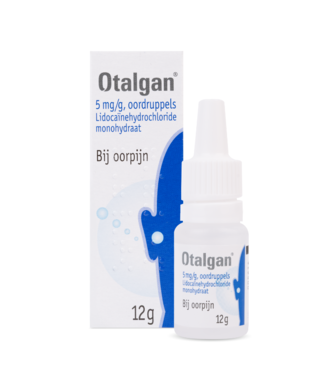
- Anesthetic ear drops , which can locally numb the ear canal and thus temporarily relieve the pain
- Soothing ear drops that help with an ear infection of the outer ear canal.
Note! Eardrops are not suitable if you have ear discharge or a possible perforated eardrum. If in doubt, always consult your doctor.
Read more: Eardrops for an ear infection. Do they work?
Earache due to a cold, flu or corona
When you have a cold, your nasal mucosa swells. This puts pressure on your eardrums , which can feel like a pressing earache.
This helps:
- Nasal irrigation with a nasal douche to reduce mucus and pressure
- Short course of xylometazoline nasal spray to temporarily create space
- Steam or a hot shower for relief
Tip: When the nose opens up, the earache usually goes away quickly.
Read more: Ears blocked by a cold. What you can do
Earache during or after flying or swimming
Pressure changes or water in the ear can cause pain.
This helps with flying:
- Pressure regulating earplugs to prevent pain due to pressure differences
This helps while swimming:
- Use swimming earplugs if you are prone to earache while swimming, showering or bathing.
Earache due to a blocked ear (earwax)
A plug of earwax can cause numbness, pressure or a nagging pain .
This helps:
- Use a suitable earwax product to soften or remove the earwax.
NB:
Do not use cotton swabs: they push earwax deeper into the ear.
Read more: How to clean your ears?
Earache due to sore throat
With a sore throat, for example, from a throat infection or a cold, the pain can radiate to one ear. The ear itself is usually unaffected, and this is often harmless.
This helps:
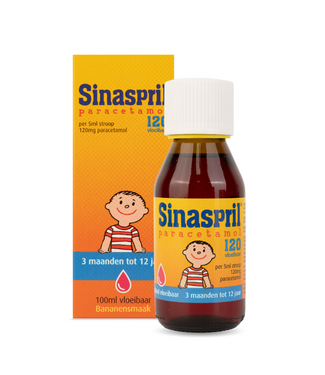
- A soothing throat spray or pain relieving tablets
- Drink enough
- Peace and warmth
If a high fever or loss of function occurs, consult your doctor.
Also read: What you can do yourself against earache
Contact your GP if:
- Severe ear pain that lasts more than 3 days
- Fever above 38.5°C or a runny ear
- Earache in young children with drowsiness or poor drinking
- Sudden hearing loss
Frequently Asked Questions about Earache (Before Choosing an Aid)
Is an earache dangerous?
Usually not. Earaches are often caused by pressure or irritation and resolve on their own. Only severe pain, fever, or ear discharge warrant a checkup.
Can you use ear drops for a perforated eardrum?
No. Only use ear drops when you are sure that the eardrum is intact.
What works for earache at night?
Earaches can become worse at night because you're lying down and feel more pressure or inflammation. Depending on the cause, heat (such as a warm cloth), a pain reliever, or reducing nasal congestion can provide relief, especially for colds or pressure-related earaches.
Does steam help against earache?
Steam inhalation can sometimes provide temporary relief from cold-related earaches by reducing nasal congestion. It doesn't help with all types of earache, such as ear infections, and the effectiveness varies from person to person.