


Hay fever
Hay fever is an allergy to (the pollen of) grasses, plants, or trees. You may experience symptoms such as: a runny nose, red, itchy eyes, and/or a tickling cough.
What is hay fever?
Hay fever is an allergy to the pollen of grasses ( grass pollen allergy ), plants, or trees ( tree pollen allergy ). The peak period runs from February through September, but you can suffer from it all year round.
The cause of hay fever
Hay fever symptoms are caused by an allergic reaction of your body to pollen. This reaction, in turn, is caused by the pollen that lands on the mucous membranes in your nose and eyes. When the pollen from the specific trees, plants, or grasses to which you are allergic is released, you suffer from your pollen allergy.
More information about what hay fever is
Complaints and symptoms of hay fever
Hay fever causes symptoms that closely resemble a cold and the flu. Common symptoms include, for example:
- Runny nose, itching, stuffy nose, runny nose, sneezing
- Itchy eyes, watery eyes
- Sore and/or dry throat, tickling cough
- Shortness of breath
- Fatigue
More about the complaints and symptoms of hay fever
What to do about hay fever?
You experience hay fever symptoms because you inhale pollen. Unfortunately, there is little you can do about the allergic reaction. However, you can try to minimize your exposure to pollen. This way, you can prevent hay fever symptoms as much as possible.
A good method for this is applying a hay fever nasal ointment . This ointment reduces the amount of pollen that settles on your nasal mucous membrane. As a result, you prevent a large part of your symptoms.
Another way to prevent symptoms is to rinse pollen out of your nose and sinuses. You do this with a nasal rinse . By rinsing a saline solution through your nose, you remove the pollen. Additionally, you reduce hay fever symptoms in your nose, such as a stuffy nose or sneezing fits.
Hay fever: how can you reduce symptoms?
Did you get pollen in your nose after all? Then you will probably notice that typical symptoms such as a runny nose and sneezing fits are starting again. You can reduce your symptoms with various hay fever remedies.
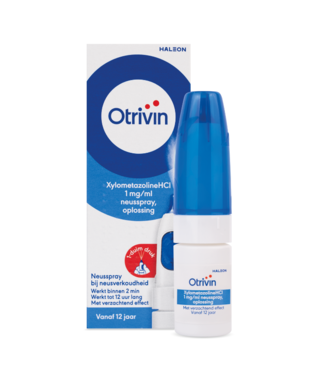
An example of this is a hay fever nasal spray. This ensures that your nasal mucosa swells less and your hay fever symptoms decrease. A swollen nasal mucosa causes the typical symptoms, such as a stuffy nose.
Some people also suffer from a sore throat due to hay fever. You can relieve this sore throat with Mellosan throat spray .
Do you mainly suffer from itchy, red, or watery eyes? Then eye drops for allergic eye complaints can help. Carelastin eye drops are intended for eye complaints caused by hay fever, such as itching, redness, and watery eyes.
View the peak periods for grass pollen, trees, and weeds on our hay fever calendar:

Or read more about the hay fever season
Want to know more about respiratory allergies?
Hay fever is one of the best-known forms of respiratory allergy, but there are also other allergies that cause similar symptoms, such as allergies to dust mites or animals.
Are you curious about the different types of respiratory allergies and how to recognize and treat them?
Then read more on our page about respiratory allergies.